How Ventura Specialists Deliver Advanced Periodontal Treatment
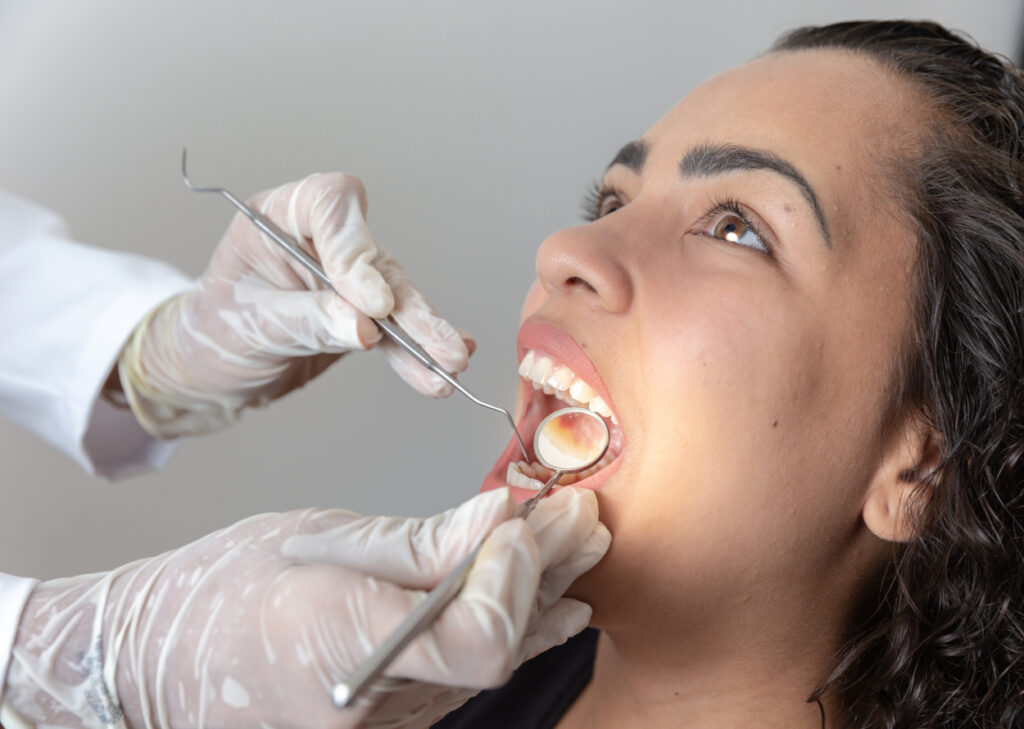
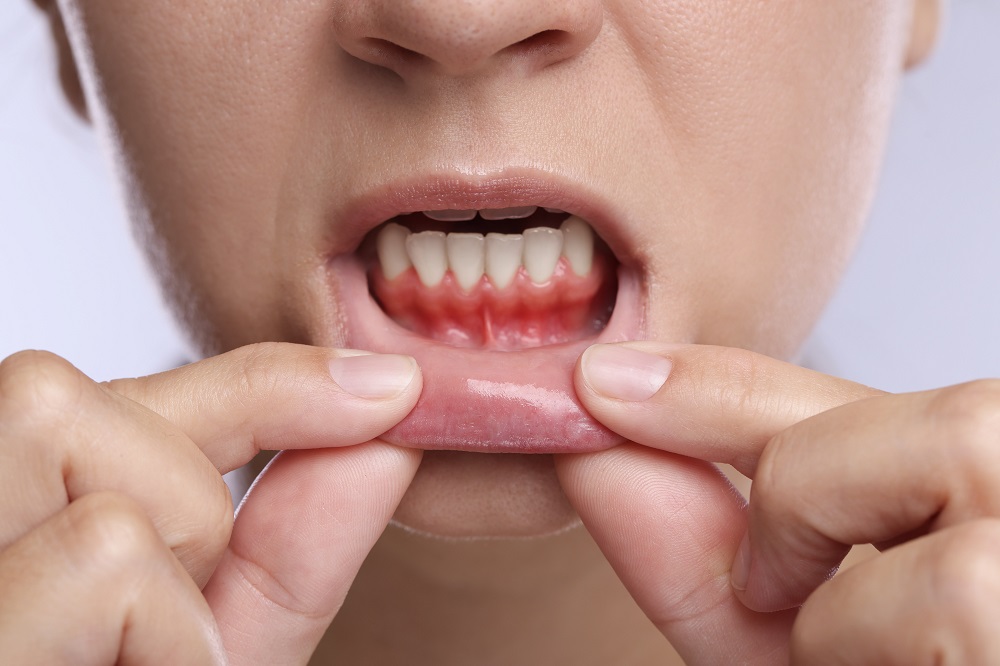

Gum disease rarely starts with drama. Most people first notice a little bleeding in the sink, a spot that feels tender when floss passes through, or a comment from the hygienist that pockets are getting deeper around a few teeth. It is easy to dismiss those signs, especially when there is no pain. Yet that quiet phase is exactly when skilled care matters most. By the time periodontal disease becomes obvious to the patient, the condition has often been active for months or years.
That is why advanced periodontal care has become such an important part of modern dentistry in coastal communities like Ventura. Patients are keeping their natural teeth longer, they expect treatment that preserves both health and appearance, and many are balancing oral care with medical conditions such as diabetes, heart disease, autoimmune disorders, or medication-related dry mouth. Effective treatment now requires more than a quick cleaning and a generic warning to floss better. It calls for careful diagnosis, thoughtful staging, and a specialist who can match treatment to the biology of the disease and the patient sitting in the chair.
When people search for Periodontal Treatment Ventura, what they are often really looking for is confidence. They want to know whether bleeding gums can be reversed, whether loose teeth can be saved, whether implant problems can be treated, and whether surgery is always necessary. The answer depends on the details, but in experienced hands, periodontal treatment is far more precise and conservative than many patients expect.
What periodontists see that general exams can miss
A thorough periodontal evaluation goes beyond checking for tartar and taking a quick look at the gums. Specialists are trained to identify the pattern of destruction and, just as important, the reason that pattern developed. Two patients can present with similar bleeding and very different underlying problems. One may have inflammation driven mostly by plaque retention and inconsistent home care. Another may have a strong home routine but significant tissue breakdown tied to smoking, bite trauma, genetics, diabetes, or a restoration that traps bacteria beneath the gumline.
That distinction changes everything.
A periodontist in Ventura will typically assess pocket depths, recession, mobility, bone levels on imaging, gum tissue quality, bite forces, and the bacterial environment around teeth or implants. They are also paying attention to shape and symmetry. A narrow strip of attached gum along a lower front tooth, for example, may leave that area vulnerable to further recession even if the rest of the mouth looks stable. A molar with a furcation defect, where bone has been lost between the roots, presents a very different challenge from a single-rooted premolar with a deep isolated pocket.
Advanced diagnosis also means recognizing when the gums are reflecting something systemic. Poor blood sugar control can make inflammation harder to calm. Certain blood pressure medications, anticonvulsants, and immunosuppressants can alter gum tissue. Pregnancy can intensify inflammatory response. Bruxism can complicate healing by overloading already weakened support structures. Good specialists do not treat the mouth in isolation. They read it as part of the whole patient.
Ventura patients often arrive with a mix of cosmetic and functional concerns
One of the more common misunderstandings about periodontal treatment is that it is only about infection control. In reality, patients often come in because they are worried about appearance first. A receding gumline on a front tooth, a longer-looking smile, dark triangles between teeth, or redness that shows in photos can be the issue that finally gets someone to schedule a consultation.
Those cosmetic concerns deserve respect because they frequently point to real structural problems. Recession can expose root surfaces that are softer than enamel and more prone to sensitivity and decay. Inflamed tissue around a crown may signal a margin that is impossible to clean well. A collapsing bite from untreated periodontal disease can change the position of the front teeth and alter the smile.
Ventura’s climate and lifestyle add a practical wrinkle. People spend time outdoors, socialize year-round, and are often highly aware of how their smile looks. At the same time, many patients want treatment that minimizes downtime. They may be working, caring for family, or juggling long commutes along the coast. Specialists who treat this population well tend to combine high-level clinical skill with realistic planning. That can mean staging therapy so the most urgent infection is controlled first, then addressing recession defects, implant concerns, or esthetic refinements after the tissues stabilize.
The first phase is usually not surgery
This surprises many patients. They hear the word periodontist and assume they are headed straight for an operating room setup. In practice, the foundation of treatment is often non-surgical periodontal therapy. The goal is to disrupt and remove the bacterial biofilm and calculus below the gumline, reduce inflammation, and give the tissue a chance to reattach as much as biology allows.
Scaling and root planing remains the workhorse in this stage, but the best results come when it is done with intent rather than as a routine service. That means identifying which sites are active, which teeth are strategically important, and where anatomy may make access difficult. Local anesthesia is often used so treatment can be thorough and comfortable. Some specialists combine hand instrumentation with ultrasonics to improve debridement in deeper pockets and root concavities.
Patients sometimes expect instant visual improvement. What actually happens is subtler but meaningful. Bleeding drops. The tissue firms up. Swelling resolves. Pocket depths may shrink by a few millimeters because inflamed tissue tightens and because healing creates a shallower sulcus. In many moderate cases, that is enough to shift someone from active disease into a manageable maintenance phase.
The edge cases are important, though. If a deep pocket persists because of a vertical bony defect, an inaccessible furcation, a fractured root, or a calculus ledge that could not be fully reached non-surgically, advanced treatment becomes necessary. Good periodontal therapy is not defined by avoiding surgery at all costs. It is defined by knowing when conservative care is enough and when anatomy requires a different approach.
How specialists decide when surgery is the right next step
Surgical periodontal treatment is no longer a one-size-fits-all proposition. The periodontist is trying to answer a practical question: what procedure gives this specific site the best chance of long-term stability?
Sometimes the need is access. A flap procedure allows the clinician to gently reflect the gum tissue, see the root surfaces directly, and remove deposits or diseased tissue that cannot be predictably treated blind. This can be especially valuable around deep pockets in the back of the mouth.
Sometimes the need is regeneration. In selected defects, particularly narrow vertical bone defects with favorable architecture, regenerative procedures using membranes, grafting materials, or biologic mediators can encourage the body to rebuild lost support. These cases require judgment. Regeneration is not magic, and not every defect qualifies. When the defect shape is poor or patient factors work against healing, a candid specialist will explain that the goal is control and preservation rather than true regrowth.
Other times the need is reshaping or grafting soft tissue. Recession coverage procedures can protect exposed roots, reduce sensitivity, and improve smile balance. Connective tissue grafting, often harvested from the palate or obtained through alternative techniques depending on the case, remains one of the most predictable tools for increasing tissue thickness and coverage. This is especially relevant for patients with thin tissue biotypes, aggressive brushing habits, or orthodontic movement that has left roots close to the outer bone plate.
One useful way to understand the decision process is to look at the priorities specialists weigh:
- Disease control, meaning reduction of inflammation, infection, and pocket depth.
- Structural preservation, meaning keeping teeth or implants functional for the long term.
- Tissue stability, meaning creating gum architecture that is easier to maintain.
- Esthetics, especially in visible areas where recession or asymmetry affects the smile. https://knoxgmha996.clearhavendigest.com/posts/periodontal-treatment-ventura-and-the-benefits-of-early-intervention
- Patient factors, including medical history, smoking status, time, comfort, and budget.
Those priorities do not always align perfectly. A technically excellent regenerative procedure may not be the best choice for a patient who cannot commit to meticulous maintenance. A graft that improves root coverage beautifully may need to wait until bite issues or active inflammation are addressed first. Advanced care involves these trade-offs every day.
Technology helps, but judgment still leads
Ventura specialists, like periodontists elsewhere, often use modern diagnostic and treatment tools that make care more precise. Digital radiography improves visualization of bone levels with lower radiation than older film systems. Three-dimensional imaging can be indispensable when evaluating implant position, complex defects, sinus anatomy, or ridge deficiencies. Intraoral photography helps patients see changes that are otherwise hard to appreciate, especially with recession or inflammation around back teeth.
Laser-assisted procedures are frequently discussed in periodontal care, and they can be helpful in selected settings. Lasers may assist with bacterial reduction, soft tissue contouring, or pocket therapy, depending on the device and the diagnosis. But experienced clinicians know that technology is an instrument, not a substitute for fundamentals. A laser cannot correct a poor diagnosis, and it does not erase the need for meticulous mechanical debridement, proper case selection, or disciplined follow-up.
Microsurgical techniques have also improved soft tissue outcomes. Better magnification, finer sutures, and more delicate flap design can reduce trauma and improve esthetics, particularly in recession coverage and implant-site development. Patients notice the difference not because the procedure feels futuristic, but because healing is often cleaner and the tissues settle more naturally.
Gum grafting has become more nuanced than many people realize
Ask ten patients what they think a gum graft is, and several will say, “They take tissue from the roof of your mouth and patch it onto the tooth.” That description is not wrong, but it misses the sophistication of modern grafting.
The periodontist is evaluating the type of recession, the width of keratinized tissue, the thickness of existing tissue, root position, interdental bone support, and smile line. Coverage on a lower canine with isolated recession behaves differently from coverage across several upper front teeth. A patient with prominent roots and very thin tissue presents a different challenge from someone whose recession is tied mainly to brushing trauma. Even the patient’s goals matter. Some care most about sensitivity. Others are focused on appearance. The treatment plan changes accordingly.
Recovery is often easier than patients fear. There can be soreness for several days, and donor sites from the palate can feel like a pizza burn, but pain is generally manageable with routine medications and clear postoperative instructions. What matters more than discomfort is compliance. A technically excellent graft can be compromised by brushing too soon, manipulating the lip to “peek,” or skipping maintenance visits after the initial healing period.
Periodontal treatment around implants is now a major part of specialty care
Implants are durable, but they are not immune to disease. Peri-implant mucositis, which is inflammation in the soft tissue around an implant, can often be controlled if caught early. Peri-implantitis, which includes bone loss around the implant, is far more serious and can threaten the implant’s survival.
This is an area where specialist care becomes especially valuable. Implants lack the exact same attachment apparatus as natural teeth, and treatment around them requires a different strategy. Instrumentation must avoid damaging the implant surface. The shape of the restoration matters because excess cement, overcontoured crowns, or poor cleansability can drive inflammation. Sometimes the problem is not patient neglect at all, but a design issue that makes healthy maintenance almost impossible.
A Ventura practice that provides advanced periodontal treatment will often coordinate closely with the restorative dentist in these cases. If the implant crown needs to be removed or redesigned, that step may be essential to long-term success. Treating peri-implant disease without fixing the plaque trap is like mopping a floor while the pipe is still leaking.
Maintenance is where long-term success is won or lost
Once active therapy is complete, patients sometimes assume they are finished. From a periodontal standpoint, that is usually the moment when the real work begins. Periodontal disease is not like a cavity that gets filled and disappears from the problem list. Susceptibility remains. The bacterial ecosystem can shift back. Habits drift. Medical conditions change. Maintenance keeps small setbacks from becoming expensive failures.
Most specialists tailor recall intervals based on risk. Three months is common after active treatment, though some stable patients can extend longer while others need closer monitoring. These visits are not ordinary cleanings. They involve pocket reassessment, bleeding evaluation, targeted debridement, reinforcement of home care, and surveillance for changes around teeth and implants.
Patients do best when they understand that maintenance is preventive in the truest sense. It protects the investment in prior treatment and, more importantly, protects the teeth themselves. Missing a recall or two may not seem consequential, but in susceptible patients, six to twelve months of neglect can undo a remarkable amount of progress.
The home side matters just as much, and specialists usually focus on a few high-yield behaviors rather than overwhelming patients with gadgets. The essentials are straightforward:
- Brush thoroughly with a soft brush and controlled pressure, especially along the gumline.
- Clean between teeth daily with floss, interdental brushes, or other tools that match the space.
- Use prescribed rinses or adjunctive products only as directed, not indefinitely without reason.
- Keep maintenance visits on schedule, particularly after grafting, surgery, or implant treatment.
- Address smoking, clenching, and blood sugar control because they directly affect healing and stability.
That may look simple on paper, but tailoring these habits to the patient is where experience shows. A person with bridges, hand dexterity issues, crowded lower incisors, or multiple implants may need a very different routine than someone with early localized disease.
The best treatment plans are honest about limitations
Not every tooth can be saved, and not every deep pocket should be treated aggressively. This is one of the hardest conversations in periodontics, but also one of the most important. A tooth with severe mobility, advanced bone loss, an unfavorable root fracture, or recurrent infection may have a poor long-term outlook no matter how sophisticated the therapy. Preserving it at all costs can drain resources and delay a more predictable solution.
At the same time, teeth that look bad on first impression are sometimes salvageable with the right intervention and maintenance. I have seen patients who assumed extraction was inevitable stabilize for years with a combination of deep therapy, localized surgery, bite adjustment, and disciplined maintenance. The difference is careful case selection and candid discussion. The specialist should be able to explain not only what can be done, but what is likely to last.
That candor is especially important when treatment involves implants after periodontal tooth loss. Patients with a history of periodontitis remain at elevated risk for problems around implants if the underlying susceptibility and maintenance issues are not addressed. Replacing a diseased tooth with an implant does not erase the periodontal profile that contributed to tooth loss in the first place.
What patients should expect from a strong Ventura periodontal team
A well-run specialty office has a certain feel to it. Records are thorough. The exam is unrushed. Measurements are explained in plain language. Imaging is used to support decisions, not to impress. The proposed plan has a rationale, a sequence, and alternatives. Costs are discussed clearly. Referring dentists are kept in the loop. Patients leave knowing not only what is wrong, but why a particular treatment path makes sense.
That level of care matters because periodontal treatment is rarely a single appointment event. It is a process that depends on reassessment. The tissues need time to respond. Pockets need to be remeasured. Home care has to improve enough to support the work being done. Restorative steps may need to wait for a healthier foundation. In strong practices, there is a rhythm to all of this. Each phase informs the next.
For anyone exploring Periodontal Treatment Ventura, the practical takeaway is simple. Advanced care is not defined by the most aggressive procedure or the newest machine. It is defined by precision, timing, and consistency. The right specialist identifies the true source of the problem, uses the least invasive method that can predictably work, and builds a maintenance plan that protects the result.
That approach saves more than gums. It protects bone, function, appearance, and often the patient’s confidence in their own health. When periodontal disease is treated thoughtfully, the mouth becomes easier to maintain, more comfortable to use, and far more stable over time. That is the real value of specialty periodontal care, and it is what experienced Ventura clinicians aim to deliver every day.
Avra Dental
Address: 1708 S Victoria Ave B, Ventura, CA 93003
Phone number: (805) 941-1001
FAQ About Periodontal Treatment Ventura
Can a dentist get rid of periodontal disease?
A dentist or gum specialist (periodontist) cannot fully cure or reverse advanced periodontal disease (periodontitis), but they can successfully stop its progression and manage the infection.
Is periodontitis very serious?
Yes, periodontitis is a very serious, advanced form of gum disease that destroys the bone and tissues supporting your teeth.
How is stage 2 periodontal disease treated?
Stage 2 periodontal disease (early to moderate periodontitis) is primarily treated with non-surgical deep cleaning procedures like scaling and root planing to remove bacteria and tartar below the gumline.